
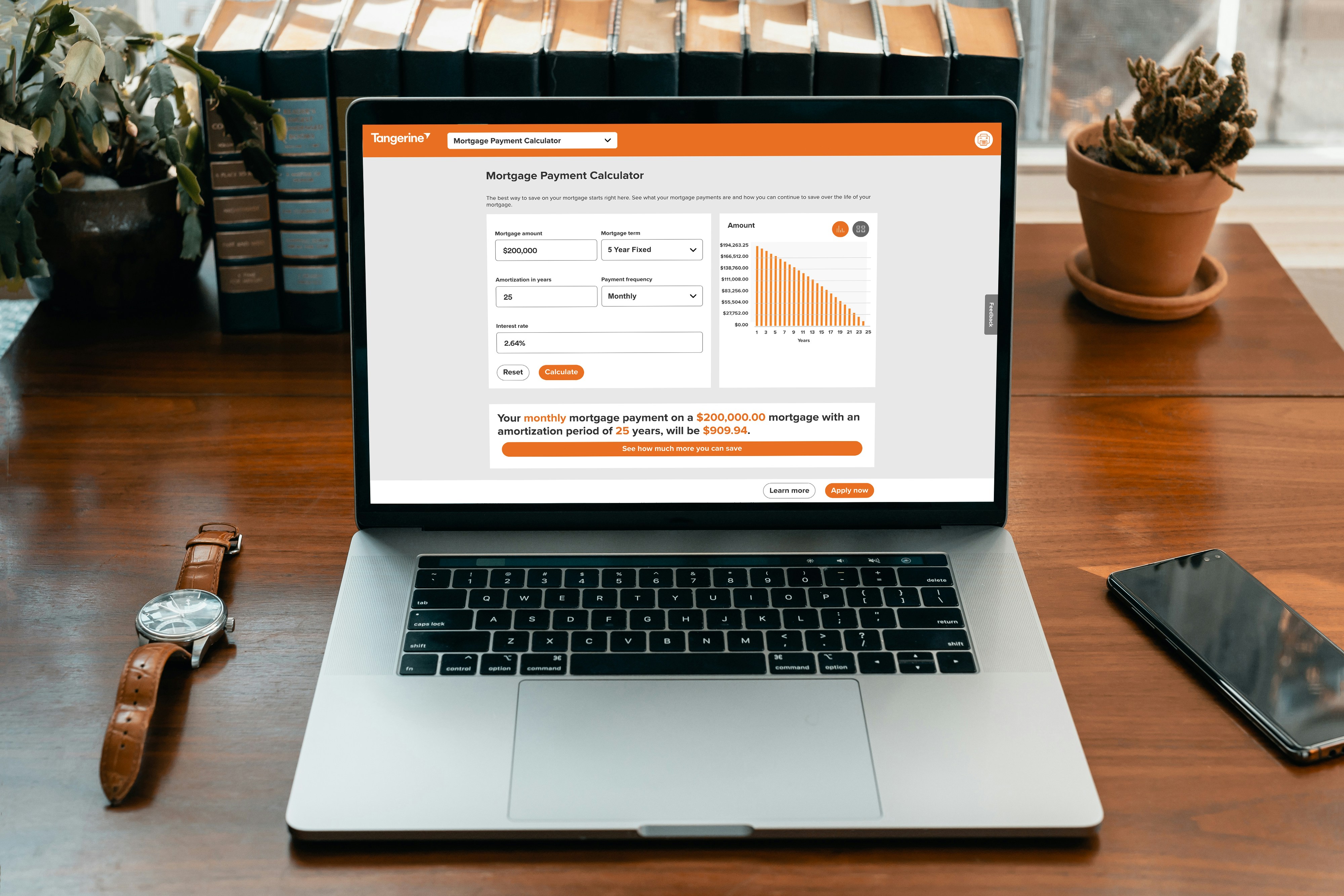
Introduction to Down Payment Calculators
In the journey of purchasing a home, one of the most critical financial decisions involves determining the appropriate down payment. A down payment calculator is a valuable tool that helps prospective homebuyers understand how much money they need to save before making this significant investment. By inputting various parameters, such as the home price, loan type, and geographical location, users can receive insights into their required down payment.
The significance of utilizing a down payment calculator cannot be overstated. For first-time buyers, especially, the complexity of home financing can be overwhelming. These calculators simplify the process by providing a clear estimate based on current market conditions and lending requirements. They can also serve as a budgeting tool, enabling potential buyers to plan their finances more effectively. Knowledge of the required down payment amount can guide buyers in making informed decisions about how long to save and what properties fit within their budget.
Moreover, down payment calculators can highlight the variations across different loan types, such as conventional loans, FHA loans, or VA loans. Each of these options may come with distinct down payment requirements, so understanding these nuances is essential for buyers to determine the best financing route. Additionally, location plays a pivotal role in the home-buying equation; regional variations in property prices can dramatically change the down payment landscape. By considering these factors, potential homebuyers can better navigate the complexities of the real estate market.Ultimately, integrating a down payment calculator into the home-buying strategy is a prudent step that can enhance financial readiness and streamline the purchasing process.
How Down Payment Calculators Work
Down payment calculators serve as valuable tools for prospective homebuyers, assisting them in determining the amount of money required upfront when purchasing a property. The functionality of these calculators revolves around user input, where individuals provide various parameters that help estimate the down payment. Key inputs typically include the purchase price of the home, the desired loan-to-value (LTV) ratio, any additional costs related to financing, and, in some instances, specifics about mortgage insurance or property taxes.
Upon entering the relevant details, the calculator processes the information using predetermined formulas. The basic premise is quite straightforward: the down payment is calculated as a percentage of the home’s purchase price, which corresponds directly to the LTV ratio. For instance, if a buyer is interested in a home priced at $300,000 and wishes to maintain a loan-to-value ratio of 80%, the calculator will suggest a down payment of $60,000, or 20% of the total price, since the buyer would be looking to finance 80% of the home’s value.
It is important to note that these calculators often incorporate assumptions regarding interest rates, the length of the mortgage, and other financial variables. This means that while the calculators provide an estimate, actual required down payments can vary based on additional factors, such as the buyer’s credit profile or lender requirements. Moreover, some calculators allow users to toggle different scenarios, enabling them to see how changes in the price of the home or down payment percentage affect their overall financing strategy.
In a nutshell, down payment calculators operate on a foundation of user input and mathematical principles, delivering quick estimates that help potential buyers plan their home purchasing journey more effectively.
Factors Influencing Down Payment Requirements
Down payment requirements for purchasing a home can vary significantly due to several influencing factors. One of the most critical aspects is the buyer’s credit score. Lenders typically view a higher credit score as an indicator of financial responsibility, which can lead to lower down payment requirements. For individuals with excellent credit, some programs may allow down payments as low as 3%, while those with lower scores may face demands of 10% or more.
The type of mortgage also plays a key role in determining down payment amounts. Conventional loans often require a larger down payment compared to government-backed loans such as FHA or VA loans. For instance, FHA loans typically allow for a down payment as low as 3.5%, making them more accessible for first-time homebuyers. On the other hand, VA loans, available to eligible veterans, often have no down payment requirement whatsoever, thereby making homeownership more attainable for service members.
Geographical location is another determinant that influences down payment needs. In high-cost areas, such as major metropolitan cities, the absolute amount required for a down payment can be significantly higher, potentially making it a more considerable financial challenge for buyers. Conversely, in regions with lower property values, down payment percentages might remain the same, but the monetary amount will be less, easing the overall burden on the buyer.
Lastly, the seller’s terms can affect down payment negotiations. If a seller is motivated to sell quickly, they may be willing to accept lower down payments or other concessions to facilitate the transaction. These various factors collectively contribute to the complexity of determining down payment requirements, underscoring the importance of thorough research and financial planning for potential homebuyers.
Benefits of Using a Down Payment Calculator
A down payment calculator serves as an essential tool for prospective homebuyers, providing a variety of advantages that facilitate the home purchasing process. One significant benefit is its ability to help buyers effectively plan their budgets. By entering different variables, such as home price, loan terms, and interest rates, individuals can easily visualize what their required down payment will be, which contributes to more informed financial planning. This clarity enables buyers to allocate their finances wisely, ensuring they are prepared when the time comes to make a purchase.
Furthermore, a down payment calculator aids in understanding affordability. With housing prices fluctuating and various loan types available, it can be challenging for buyers to determine how much they can spend. By utilizing a calculator, prospective homeowners can evaluate their income, debt, and prospective mortgage payments. This process allows them to ascertain a realistic price range for their future home. Armed with this knowledge, buyers can avoid the pitfall of overextending themselves financially, which is a common concern in today’s competitive real estate market.
In addition to budget planning and affordability assessments, a down payment calculator empowers buyers by equipping them with knowledge about different mortgage options. Various loans come with specific down payment requirements, and understanding these can drastically influence one’s purchasing decision. By simulating different scenarios in a calculator, buyers gain the insight needed to explore loan products that align with their financial situation. This insight can lead to smarter decisions, potentially resulting in significant long-term savings on interest rates and monthly payments.
In conclusion, the benefits of utilizing a down payment calculator are numerous, making it an invaluable resource for anyone looking to buy a home. It not only enhances budget planning but also fosters informed choices regarding mortgage options and affordability.
Common Misconceptions About Down Payments
One of the most pervasive misconceptions about down payments is the belief that a 20% down payment is mandatory for all home purchases. While it is true that a 20% down payment can help avoid private mortgage insurance (PMI), it is not a universal requirement. Many lenders offer financing options that allow borrowers to purchase a home with significantly less than this traditional benchmark. This flexibility opens the door for a wider range of buyers, particularly first-time homeowners who may not have saved enough for a large down payment.
Another common myth is that down payment assistance programs are limited to certain buyers or situations. In reality, various programs exist at national, state, and local levels, designed to assist a diverse group of homebuyers, including low-income families and individuals purchasing their first residence. These programs often do not have strict income limits and can provide grants, loans, or subsidies to help cover down payment costs. Therefore, it is crucial for prospective buyers to research available options in their area to explore this valuable resource.
Additionally, many prospective homeowners underestimate their options for low down payment financing. Certain loan programs, like FHA loans, allow for down payments as low as 3.5%, making homeownership more accessible for individuals and families who may struggle to save a large amount upfront. Veterans and active service members can also benefit from VA loans, which typically require no down payment at all. Understanding these possibilities can empower buyers when navigating the home-buying process, helping them make informed decisions about their financial commitments.
Comparing Down Payment Options
When considering homeownership, one of the most critical decisions revolves around the amount of down payment a buyer can afford. Generally, down payment amounts can range from as low as 3% to more than 20% of a home’s purchase price. Each of these options carries different implications regarding monthly mortgage payments, interest rates, and overall financing strategies.
Lower down payments, while attractive for first-time homebuyers, often result in higher monthly mortgage payments. When a buyer opts for a down payment of, say, 3%, the principal borrowed amount increases significantly, leading to higher monthly payments spread over the loan term. Additionally, a smaller down payment can necessitate private mortgage insurance (PMI), which further increases monthly costs. Conversely, a higher down payment, typically exceeding 20%, can reduce monthly payments substantially, leading to greater affordability in the long run.
The impact of down payments on interest rates is another essential factor to consider. Lenders often view lower down payments as a higher risk; therefore, those who put down less may face higher interest rates compared to those who provide a more substantial upfront payment. This difference can affect the total loan cost over its lifetime, making a compelling case for saving for a larger down payment if financially feasible.
Different loan types also accommodate various down payment options. For instance, Federal Housing Administration (FHA) loans allow for down payments as low as 3.5%, making homeownership accessible for many. In contrast, conventional loans often favor larger down payments, typically starting from 5%. Understanding these nuances is crucial as potential homeowners navigate their financing options and determine the best strategy for their unique situations.
Real-Life Scenarios and Examples
Utilizing a down payment calculator can significantly inform prospective homebuyers about their financial readiness and the implications of various down payment options. To illustrate this, consider a scenario where a buyer is interested in purchasing a home priced at $300,000. If the buyer chooses to make a 10% down payment, which amounts to $30,000, the remaining mortgage would be $270,000. By inputting these figures into a down payment calculator, the buyer can assess their estimated monthly mortgage payment, property taxes, and insurance, helping them gauge their affordability.
On the other hand, let’s examine a different scenario where the same buyer considers increasing their down payment to 20%, totaling $60,000. In this case, the mortgage required would drop to $240,000. By utilizing the calculator again, the buyer would discover a lower monthly payment due to the reduced loan amount and potentially better interest rates. The down payment calculator not only aids in understanding how varying down payment percentages can impact overall financing but also emphasizes the importance of initial investment in a home purchase.
Furthermore, suppose the buyer contemplates a lower home price of $250,000 with a 15% down payment. The new down payment would be $37,500, leaving a mortgage of $212,500. Inputting these details reflects the fact that a modest home price shift, along with a change in down payment, directly alters the buyer’s financial obligations. This practical approach to leveraging a down payment calculator showcases how essential it is for buyers to explore different scenarios to find the financial solution that aligns with their circumstances.
Tips for Saving for a Down Payment
Saving for a down payment can seem daunting, but with strategic planning and dedication, prospective homebuyers can achieve their financial goals. One of the most effective strategies is to develop a detailed budget that prioritizes savings. Start by evaluating your current expenses and identifying areas where you can cut back, such as dining out or subscription services. Redirect these funds toward a dedicated savings account specifically earmarked for your down payment. This approach not only helps you to accumulate funds faster but also instills discipline in your spending habits.
Another option to consider is the use of high-yield savings accounts or certificates of deposit (CDs). These financial tools typically offer better interest rates compared to standard savings accounts, enabling your down payment savings to grow more efficiently over time. If you’re anticipating a significant windfall, such as a bonus or tax refund, consider allocating a portion of those funds directly into your down payment savings. This can significantly accelerate your journey towards your target, allowing you to secure your desired property sooner.
Family support can also play a vital role in saving for a down payment. It is not uncommon for homebuyers to receive financial gifts from family members, which can be instrumental in reaching savings goals. Open discussions about potential contributions with family members can foster a supportive environment that benefits both parties. Finally, set a realistic timeline for your savings journey. By determining a specific timeframe to achieve your down payment target, you can monitor your progress and stay motivated. Regularly reviewing your savings plan can help you make necessary adjustments, ensuring you remain on track to fulfilling your dream of homeownership.
Conclusion: Making Informed Decisions
In the complex journey of purchasing a home, understanding the financial implications of a down payment is critical. As potential homebuyers navigate through various mortgage options and price ranges, utilizing a down payment calculator can significantly enhance their decision-making process. These calculators serve as invaluable tools, providing buyers with a clearer picture of their financial commitments and helping to illustrate the importance of the down payment amount in securing favorable loan terms.
A down payment calculator allows users to input various data points, such as purchase price and desired loan terms, to compute the required down payment. By analyzing these figures, buyers can assess how different down payment amounts affect their monthly payments and overall loan costs. This insight empowers individuals to explore several scenarios, making it easier to decide how much they can afford to pay upfront without compromising their long-term financial stability.
Moreover, understanding how the size of a down payment impacts interest rates and mortgage insurance is crucial. Generally, a larger down payment may result in lower monthly payments and reduced fees associated with the mortgage. Therefore, by feeling more confident in their payment options, buyers are in a better position to negotiate terms with lenders. Given the substantial financial obligation linked to home ownership, taking advantage of down payment calculators can help prospective buyers sidestep potential pitfalls and make educated decisions.
Overall, leveraging down payment calculators is essential for anyone looking to purchase a home. They provide clarity, impart crucial financial knowledge, and facilitate a streamlined buying experience. By employing such tools, homebuyers are more equipped to navigate their options confidently and ultimately secure a mortgage that aligns with their financial goals.