
Understanding Mortgage Refinancing
Mortgage refinancing is a financial process in which a homeowner replaces their existing mortgage with a new one, typically in order to secure better terms, lower interest rates, or access home equity. The primary purpose of refinancing is to achieve financial benefits, ranging from reduced monthly payments to the ability to take cash out for other investments or expenses. Homeowners often seek refinancing to capitalize on favorable market conditions, such as declining interest rates, which can lead to significant savings over the life of a loan.
When considering whether refinancing is suitable, it is essential to evaluate your current financial situation and objectives. Not all homeowners will benefit from refinancing, and various factors should influence this decision, including the costs associated with refinancing, the length of time you plan to remain in the home, and any potential changes to your credit score or debt-to-income ratio. Additionally, it is crucial to analyze whether the anticipated savings outweigh the upfront costs, such as closing fees, which can be significant depending on the lender and the mortgage’s terms.
There are different types of refinancing options available, catering to various homeowner needs. Rate-and-term refinancing is aimed at lowering interest rates or changing the loan term without tapping into home equity. This option is popular among those looking to reduce monthly payments or shorten their loan term to save on interest costs. Conversely, cash-out refinancing allows homeowners to access the equity they’ve built up in their property, converting it into cash for expenses such as home renovations or debt consolidation. Understanding these different refinancing types is critical in determining the best path for your financial goals.
When to Consider Refinancing
Refinancing a mortgage can be a strategic financial decision, but recognizing the right moment to do so is critical. Various scenarios indicate that it might be time to reconsider your current mortgage terms. One common reason is the fluctuation in interest rates. If market rates are lower than the rate you are currently paying, refinancing could potentially save you money on your monthly payments. Monitoring interest rate trends is fundamental to understanding when refinancing might be beneficial.
Another important factor is changes in your credit score. A significant increase in your credit score can qualify you for better mortgage terms. Lenders often offer lower rates to borrowers with enhanced credit profiles. Therefore, if your credit score has improved since you initially secured your mortgage, it is wise to reassess your situation, as this could indicate that refinancing is a feasible option.
Your personal financial situation and goals also play a vital role in the refinancing decision. Factors such as income changes, employment stability, and overall financial obligations may necessitate a reevaluation of your mortgage. For example, if you’ve recently paid off other debts or received a salary increase, refinancing could allow you to consolidate your loans or reduce the time frame for repayment, thus aligning your mortgage with your current financial objectives.
Additionally, consider the level of home equity you have accrued. As property values appreciate, the equity in your home increases, which may open up opportunities for refinancing. High equity levels can grant you access to better loan terms. To summarize, analyzing interest rates, monitoring your credit score, evaluating your financial situation, and understanding your home equity are essential steps in determining the appropriate time to refinance your mortgage.
The Refinancing Process: Steps to Take
Refinancing a mortgage is a significant financial decision that can offer homeowners opportunities for better loan terms, lower monthly payments, or even access to equity. Understanding the refinancing process is crucial for making an informed choice. Here are the essential steps involved in refinancing.
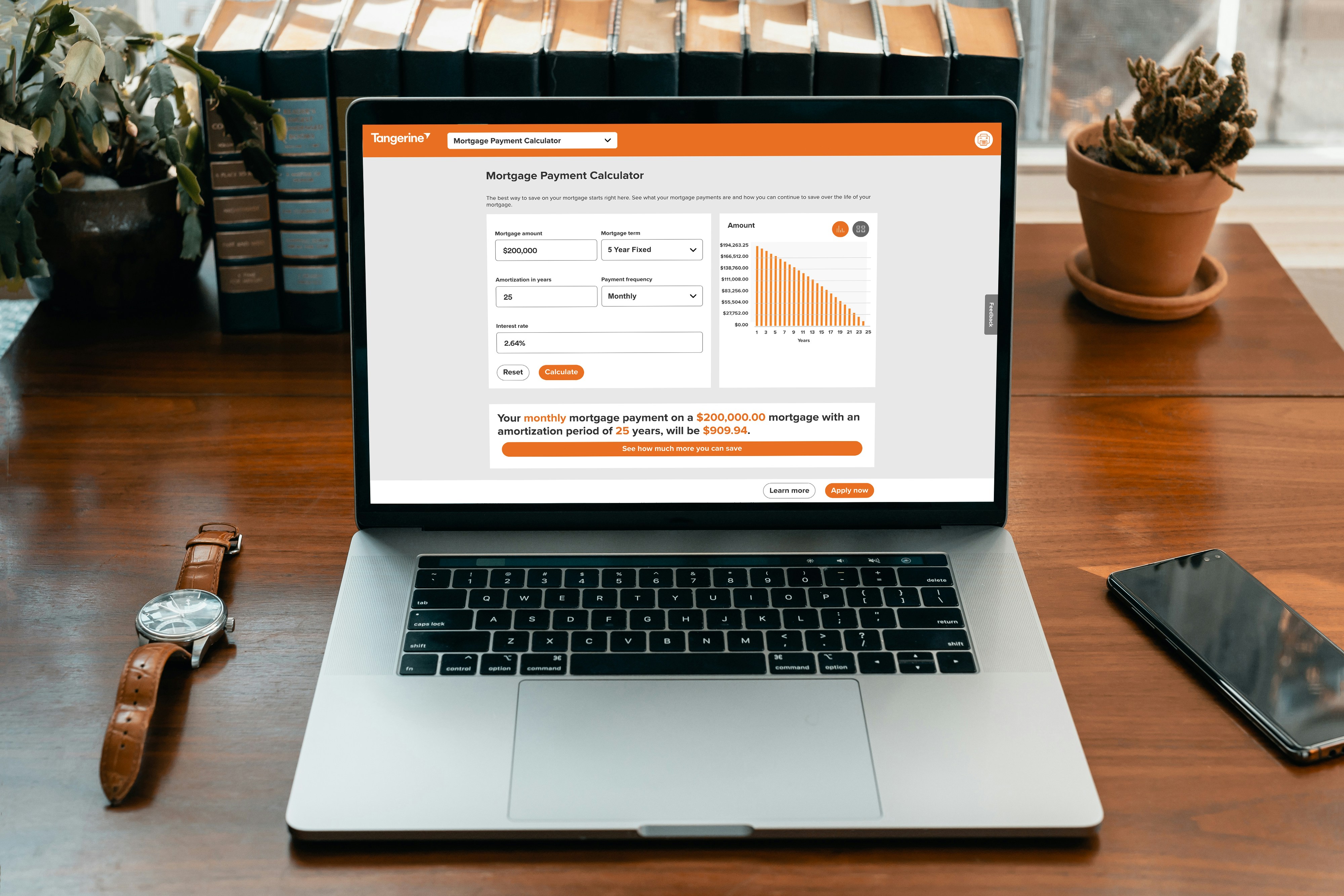
Initially, homeowners should conduct thorough research to determine their current mortgage status, prevailing interest rates, and potential benefits of refinancing. Comparing different mortgage products can help identify the best options available in the market. Many online resources provide tools that enable homeowners to input their financial details to ascertain real-time loan offers.
Once homeowners have researched and narrowed down their choices, the next step involves gathering the necessary documentation. Critical documents typically include recent pay stubs, tax returns, bank statements, and information regarding existing debts. Accurate and complete documentation is vital as it forms the basis for lender evaluations during the underwriting process.
Shopping around for mortgage rates across several lenders is paramount. Different lenders may offer various refinancing options, making it imperative to compare rates, terms, and closing costs. Engaging with lenders directly or through online platforms can yield insights on what might work best for individual financial situations.
The underwriting process can often seem daunting but is essential in the refinancing procedure. During this phase, the lender assesses the homeowner’s creditworthiness, property value, and overall financial health. Homeowners should remain prepared for additional requests for information or clarification to ensure a smooth transition during underwriting.
Finally, homeowners must consider the associated costs of refinancing, which can include closing costs, appraisal fees, and origination charges. Evaluating these costs against potential savings will guide homeowners in determining whether refinancing is a financially sound decision that aligns with their goals.
Common Refinancing Mistakes to Avoid
Refinancing a mortgage presents an opportunity for homeowners to potentially save money or align their financial goals with their current needs. However, there are several common mistakes that individuals often encounter in this process, which can undermine the benefits of refinancing. One significant oversight is failing to consider the closing costs associated with refinancing. Homeowners may focus solely on the interest rate reduction, neglecting to account for various fees such as application fees, appraisal costs, and origination fees, which can accumulate and offset any potential savings.
Additionally, many homeowners overlook the importance of checking their credit reports before initiating a refinance. A poor credit score can lead to less favorable loan terms or even cause applications to be denied. Thus, it is prudent to review and improve one’s credit profile prior to embarking on this financial journey. Homeowners should also be cautious about how a refinance will impact their long-term financial goals. For instance, extending the term of a mortgage can lower monthly payments but may result in paying more interest over the life of the loan, which might not align with the homeowner’s financial aspirations.
Moreover, rushing into a refinancing decision without conducting thorough research can be another detrimental error. It is essential to compare various lenders, understand different loan products, and evaluate interest rates offered at the time. A lack of due diligence can lead to poor choices that may not serve the borrower’s best interests in the long run. Avoiding these common pitfalls requires informed decision-making and a strategic approach to refinancing. With careful planning and consideration, homeowners can navigate the refinancing process effectively and secure terms that genuinely enhance their financial situation.