
Introduction to Home Affordability
Home affordability is a crucial aspect of the home-buying process that determines what potential buyers can realistically spend on a property. This concept not only helps individuals or families in their search for a home but also plays a significant role in preventing financial strain. Understanding home affordability involves analyzing various factors, such as income, debts, savings, and current market conditions, which collectively shape the financial capabilities of a buyer.
The importance of assessing home affordability lies in its potential to guide buyers toward making sound investment decisions in real estate. When buyers have a clear understanding of how much they can afford, it minimizes the risk of overextending financially. This understanding is essential as it allows individuals to focus their search on homes that fit within their budget, thereby avoiding properties that may lead to long-term financial challenges. Additionally, knowing one’s affordability can help in negotiating offers and understanding the implications of mortgage terms.
One key aspect to consider when determining home affordability is the debt-to-income ratio, which compares a buyer’s monthly debt payments to their gross monthly income. Lenders often use this metric to evaluate the risks associated with providing a mortgage. A lower ratio generally indicates better affordability, making it more likely for buyers to secure a favorable mortgage rate. Furthermore, educating oneself about the various costs associated with homeownership, including property taxes, maintenance, and insurance, is essential, as these expenses contribute to the overall affordability equation.
In conclusion, grasping the concept of home affordability is indispensable in today’s increasingly competitive real estate market. By thoroughly evaluating financial standing and understanding the key factors that influence purchasing power, prospective buyers can make informed decisions that lead to a stable and successful home-buying experience.
What is a Home Affordability Calculator?
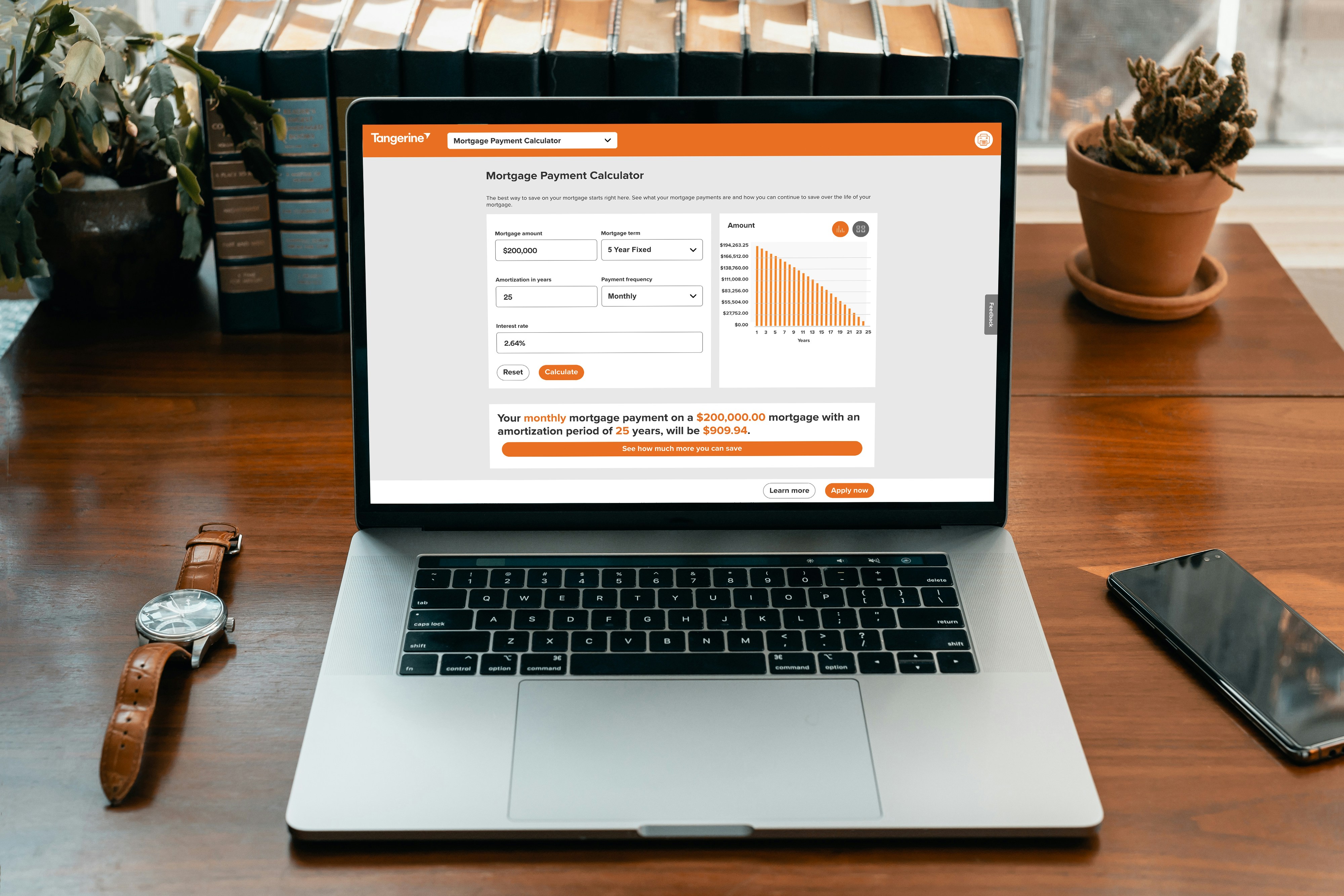
A home affordability calculator is a financial tool designed to assist potential homebuyers in determining the price range of homes they can afford, based on their financial circumstances. This calculator serves a crucial role in the home-buying process, as it helps individuals understand the implications of their financial situation when purchasing a property. By using various inputs, the calculator generates an estimate of the maximum home price that a buyer can manage within their budget.
To accurately assess home affordability, the calculator takes several key factors into account. One of the primary inputs is the buyer’s total income, which includes wages, bonuses, and other sources of revenue. Additionally, the calculator considers the buyer’s monthly debts, including credit card payments, student loans, and car loans, which can significantly impact their ability to secure a mortgage. Understanding how these debts relate to income is essential, as lenders typically prefer that a proportion of income is allocated towards housing costs, often referred to as the debt-to-income ratio.
Credit score is another crucial input; it significantly affects mortgage interest rates and terms. A higher credit score may enable buyers to secure a lower mortgage rate, thus allowing them to afford a more expensive home. Moreover, location plays a vital role, as property prices can vary greatly across different areas. The calculator may include regional data to provide a more tailored estimate of what buyers might afford based on local housing markets.
Ultimately, this calculator is a valuable resource for first-time homebuyers and seasoned investors alike, providing insights that lay the groundwork for informed decision-making when navigating the complex landscape of home purchasing.
Key Factors Influencing Home Affordability
Home affordability is a multi-faceted concept influenced by various factors that potential buyers must consider before making a purchase. Among these, income levels serve as a fundamental determinant. Generally, a higher income allows for increased financial flexibility, thus enabling individuals to afford larger mortgages and higher-priced homes. Conversely, those with lower income may find their options limited, impacting their ability to purchase within desirable neighborhoods.
Another critical factor is the debt-to-income ratio (DTI), which measures an individual’s monthly debt payments against their monthly gross income. Lenders typically prefer a DTI below 43%, as this indicates that applicants are not over-leveraged and can manage their financial obligations efficiently. Thus, maintaining a healthy DTI can significantly enhance a buyer’s capacity to secure favorable loan terms.
Credit history also plays a crucial role in home affordability. A strong credit score not only boosts the chances of obtaining a mortgage but often allows for more competitive interest rates. For instance, an individual with a credit score above 740 may qualify for better financing options than someone with a score of 620. This variance in rates can considerably affect the overall cost of the home over time.
Additionally, the size of the down payment directly influences home affordability. A substantial down payment can reduce the total loan amount and eliminate private mortgage insurance (PMI), thereby lowering monthly payments. For example, a buyer who puts 20% down on a $300,000 home can significantly reduce both their mortgage size and insurance costs compared to someone who puts down only 5%.
Finally, local real estate market conditions cannot be overlooked. Areas with higher demand and limited supply often see increased prices, potentially making home buying less attainable. A deep understanding of these dynamics is essential for prospective buyers as they navigate their financial landscape toward homeownership.
How to Use a Home Affordability Calculator
A home affordability calculator is a valuable tool for prospective homebuyers, aiding them in understanding how much they can comfortably spend on a home. To effectively use a home affordability calculator, you will need to gather specific information that impacts your purchasing power. Typically, this includes your gross monthly income, current debts, down payment amount, and the interest rate associated with the mortgage.
Start by inputting your gross monthly income into the calculator. This figure represents your total income before taxes and any deductions. Next, enter your total monthly debt obligations, which can include credit card payments, student loans, and car loans. This information is critical, as it helps determine your debt-to-income ratio, a key metric lenders consider when evaluating your mortgage application.
The next step involves entering your desired down payment amount. A larger down payment can decrease your mortgage amount and, in some cases, eliminate the need for private mortgage insurance (PMI). Lastly, provide the interest rate that you anticipate based on your current credit score and prevailing market rates. This will allow the calculator to provide more precise estimates of your potential mortgage payments.
Once all the required data is input, the home affordability calculator will generate results indicating how much home you can afford. This will include monthly payment estimates and a total borrowing capacity. It’s advisable to interpret these results conservatively, considering potential fluctuations in interest rates and changing personal financial situations.
To ensure accurate estimates, consider not only the loan principal and interest payments but also property taxes, homeowners insurance, and HOA fees if applicable. By following these steps and taking into account all expenses, you can effectively utilize a home affordability calculator to make more informed decisions in your home-buying journey.
Understanding Mortgage Types and Their Impact on Affordability
When navigating the complex landscape of home purchasing, understanding the different types of mortgages available is crucial for assessing home affordability. Each type of mortgage has distinct features that can significantly influence monthly payments and overall financial stability.
The most common mortgage type is the fixed-rate mortgage. This option offers a stable interest rate and consistent monthly payments over the life of the loan, typically ranging from 15 to 30 years. The predictability of fixed-rate mortgages makes them an attractive choice for many buyers, as it helps them budget effectively and avoid the risk of increasing payments over time. However, the initial interest rate may be higher compared to other mortgage types, impacting short-term affordability.
In contrast, adjustable-rate mortgages (ARMs) can provide lower initial rates, making monthly payments more affordable in the early years. However, ARMs carry the risk of fluctuating rates after a predetermined fixed-rate period, which means homeowners may face significantly higher payments down the line. This unpredictability can create challenges in long-term budgeting and may affect an individual’s capacity to afford the home as rates change.
Additionally, Federal Housing Administration (FHA) loans are designed for first-time buyers and those with lower credit scores. These loans typically require a lower down payment compared to conventional mortgages, which can enhance affordability for those who may struggle to cover larger upfront costs. However, FHA loans also come with mortgage insurance premiums, which can increase overall monthly payments and reduce the advantage of a lower down payment.
Ultimately, choosing the right mortgage type is critical in determining home affordability. Prospective homeowners must weigh the benefits and drawbacks of each option to ensure that they select a mortgage that aligns with their financial goals and lifestyle needs. Understanding the implications of different mortgage types can empower buyers to make informed decisions and achieve long-term financial success.
Budgeting Beyond the Mortgage: Other Costs of Homeownership
When purchasing a home, prospective homeowners often focus primarily on the monthly mortgage payments. However, it is crucial to recognize that homeownership entails various additional costs that can significantly impact your overall budget. Understanding these expenses will help you make informed financial decisions and avoid unexpected financial strain.
One of the most prevalent additional expenses is property taxes. Depending on the municipality, property tax rates can vary significantly and are usually assessed annually. These taxes contribute to local government services, such as schools, emergency services, and infrastructure. It’s essential to factor these taxes into your monthly budget to ensure that you have adequate funds available when they are due.
Homeowners insurance is another critical cost to consider. This insurance protects against potential losses due to natural disasters, theft, or accidents. The premium can vary based on various factors, including location, coverage amount, and the home’s age or condition. Researching insurance options and comparing quotes from multiple providers will enable you to choose a plan that meets your needs without breaking your budget.
In addition to taxes and insurance, maintenance costs pose a significant expense that often goes overlooked. Routine maintenance tasks, such as lawn care, seasonal inspections, and minor repairs, should be accounted for in your budgeting process. It’s wise to set aside a dedicated fund for these unexpected repairs, as they can arise at any time and can range in cost.
Utility bills, including water, electricity, gas, and internet, also contribute to the overall cost of homeownership. These expenses can vary widely based on the home’s size, energy efficiency, and local rates. Monitoring your utility usage and exploring ways to conserve energy can help minimize these costs over time.
In summary, homeownership encompasses various costs beyond just the mortgage. By budgeting for property taxes, insurance, maintenance, and utility expenses, you can gain a comprehensive understanding of the financial commitment involved in owning a home. This proactive approach will ensure that you are well-prepared for all aspects of homeownership, allowing you to enjoy your new property without financial uncertainty.
Common Mistakes to Avoid When Calculating Affordability
Assessing home affordability is a critical step in the home buying process, yet many prospective homeowners often fall into common pitfalls that can lead to financial strain. One prevalent mistake is underestimating the true cost of homeownership. While individuals may calculate their monthly mortgage payments, they frequently overlook additional expenses such as property taxes, homeowners insurance, maintenance costs, and homeowners association fees. These factors can significantly impact one’s budget, leading to potential financial difficulties over time.
Another common error is failing to account for potential changes in income. Life circumstances may fluctuate; for example, job stability can be uncertain, and unexpected life events can lead to a decrease in earnings. Individuals should carefully evaluate their financial situation, considering whether their income is stable and predictive over the medium to long term. It is prudent to create a forecast that includes possible income variations, enabling a more realistic assessment of what one can afford.
Moreover, neglecting to maintain an emergency fund is a significant oversight that can jeopardize home affordability. Homeowners should aim to set aside savings amounting to three to six months’ worth of living expenses. This precaution helps cover unexpected costs, like urgent repairs or temporary unemployment, ensuring that mortgage payments remain manageable even during challenging periods.
To avoid these pitfalls, homeowners should create a comprehensive budget that incorporates all prospective expenses associated with homeownership. Conducting thorough research and engaging with financial advisors can provide valuable insights into developing a realistic homebuying strategy. Ultimately, maintaining a proactive approach to budgeting ensures that individuals make informed decisions, fostering greater financial stability in their quest for homeownership.
The Importance of Financial Preparation Before Purchasing a Home
Financial preparation is a crucial step in the journey towards homeownership and significantly impacts home affordability. A solid understanding of one’s financial situation lays the foundation for making informed decisions throughout the purchasing process. To begin with, prospective buyers should focus on improving their credit scores. Lenders typically evaluate creditworthiness when determining mortgage eligibility and interest rates; a higher credit score can lead to more favorable loan terms. Individuals can enhance their credit profiles by paying bills on time, reducing outstanding debt, and correcting any inaccuracies on their credit reports.
Another vital aspect of financial readiness is saving for a down payment. The amount required varies by lender and loan type, but having a substantial down payment can decrease monthly mortgage payments and eliminate the need for private mortgage insurance (PMI). Strategic budgeting, automating savings, and exploring assistance programs can help prospective homeowners accumulate the necessary funds.
Moreover, understanding one’s overall financial health is essential. This includes evaluating income stability, monthly expenses, and debt-to-income ratios. A comprehensive overview of financial health allows potential buyers to ascertain how much they can realistically afford concerning home costs. Conducting a thorough analysis of current and future budgeting can assist in projecting ongoing homeownership costs, such as property taxes, maintenance, and utilities.
Finally, prospective buyers may benefit from seeking the guidance of financial advisors or housing counselors. These professionals can offer tailored advice, identify potential pitfalls, and develop a personalized financial strategy. By emphasizing the importance of financial preparation before purchasing a home, individuals can enhance their chances of making sound decisions that align with their long-term financial goals.
Conclusion: Making Informed Decisions in Home Buying
In the journey of purchasing a home, understanding home affordability is a fundamental step that significantly influences the decision-making process. Throughout this guide, we have explored essential elements that contribute to determining what prospective buyers can afford. By evaluating factors such as income, expenses, credit scores, and prevailing market conditions, individuals can gain a clearer picture of their financial capabilities when it comes to buying a home.
A home affordability calculator serves as a crucial tool in this evaluation process. Not only does it provide a personalized estimate of budget constraints, but it also underscores the importance of a thorough financial assessment. By entering data about monthly income and expenses, potential buyers can quickly identify realistic price ranges that align with their financial circumstances. This proactive approach helps buyers avoid falling prey to overspending and ensures they remain on stable financial ground as they embark on their home-buying journey.
Moreover, understanding the diversity of mortgage options available enables buyers to tailor their financing choices in a way that best fits their long-term financial objectives. From fixed-rate mortgages to adjustable-rate options, assessing how different financing structures interact with one’s affordability can make a substantial difference in the overall cost of homeownership.
Ultimately, the home-buying process is not only about selecting a property but also involves strategic thought and careful planning. By leveraging tools like the home affordability calculator and considering various factors, prospective homebuyers can make informed choices that align with their economic situations. Equipping oneself with the right knowledge and resources lays the groundwork for a successful transition into homeownership while minimizing financial strain. Making informed decisions will lead to better outcomes down the road, translating to more sustainable and satisfying homeownership experiences.