
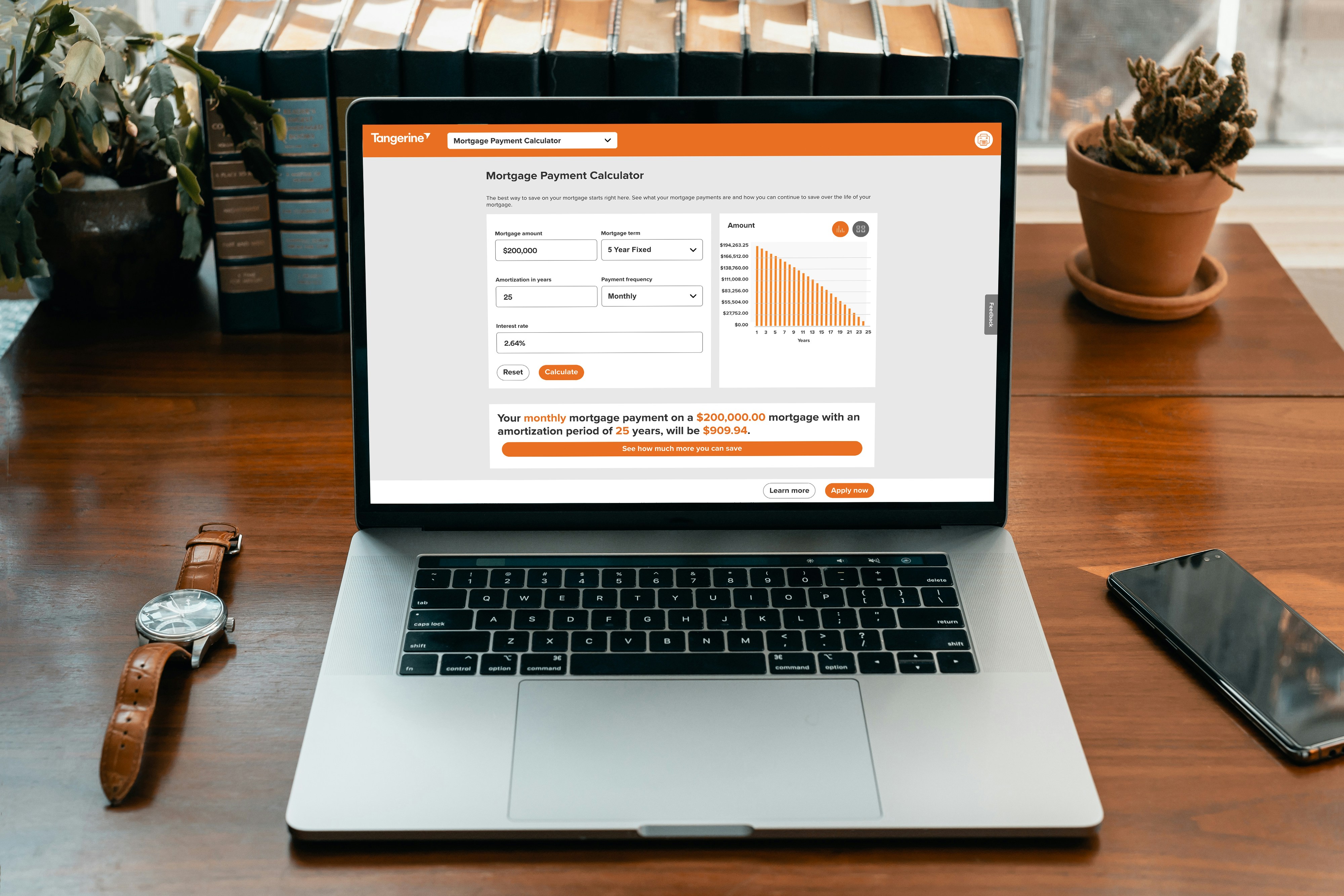
What is Mortgage Refinancing?
Mortgage refinancing is the process of replacing an existing mortgage with a new one, typically under different terms that can provide financial advantages to the homeowner. This financial strategy can help homeowners lower their monthly payments, reduce interest rates, or access equity in their property. When homeowners refinance, they essentially take out a new loan to pay off the existing mortgage, often seeking improved conditions that better align with their current financial situation.
There are several reasons why individuals choose to refinance their mortgages. One major motivation is to secure a lower interest rate, which can lead to substantial savings over time. When interest rates decrease, homeowners may find it beneficial to refinance to take advantage of these lower rates, resulting in reduced monthly payments. Additionally, refinancing can allow homeowners to switch from an adjustable-rate mortgage (ARM) to a fixed-rate mortgage, providing more stability in their monthly payments.
Another common reason for refinancing is to access the equity built up in the home. Homeowners may opt for a cash-out refinance, enabling them to withdraw a portion of their home equity in cash to cover expenses such as home renovations, education costs, or debt consolidation. This strategy can be particularly useful for individuals needing immediate funds while taking advantage of low mortgage rates.
Refinancing may also occur when homeowners wish to change the duration of their loan. For example, some individuals prefer to refinance from a 30-year mortgage to a 15-year mortgage to pay off their home sooner, which, while increasing monthly payments, can lead to less interest paid overall.
Ultimately, mortgage refinancing presents a variety of options that can be tailored to the specific financial needs of homeowners, making it a popular choice in the pursuit of better economic terms.
Types of Mortgage Refinancing
Mortgage refinancing offers homeowners an opportunity to modify their existing loan agreements, typically leading to lower monthly payments, better interest rates, or accessing home equity. There are several types of refinancing options available, each catering to different financial needs and circumstances.
One of the most common types is rate-and-term refinancing. This option allows homeowners to change either the interest rate, the length of the loan, or both without taking out additional funds. For instance, a borrower might refinance a 30-year mortgage to a lower interest rate, potentially saving thousands of dollars over the life of the loan. This method can be particularly advantageous when interest rates drop substantially or when refinancing from an adjustable-rate mortgage (ARM) to a fixed-rate mortgage offers more security.
Another popular choice is cash-out refinancing. This method enables homeowners to refinance their mortgage for more than they currently owe, allowing them to take the difference in cash. This can provide funding for various financial needs, such as home improvements, debt consolidation, or educational expenses. While cash-out refinancing can be beneficial in leveraging home equity, it is essential to consider the implications of increasing the mortgage balance.
Streamline refinancing is a more straightforward option available to homeowners with existing government-backed loans, such as FHA, VA, or USDA loans. This type of refinancing is designed to minimize the documentation requirements and reduce closing costs, making it easier for borrowers to lower their interest rates or monthly payments without the typical hassles associated with refinancing. Streamline refinancing usually has fewer eligibility criteria, providing a quicker pathway to savings.
In summary, understanding the different types of mortgage refinancing options is crucial for homeowners looking to optimize their financial situation. By carefully considering rate-and-term, cash-out, and streamline refinancing, individuals can make informed decisions that align with their financial goals.
Rate-and-Term Refinancing Explained
Rate-and-term refinancing is a financial strategy that enables homeowners to adjust the interest rate and/or the duration of their existing mortgage without acquiring additional funds. This type of refinancing can be particularly advantageous for those seeking to reduce their monthly payments, pay off their loans sooner, or switch from an adjustable-rate mortgage (ARM) to a fixed-rate mortgage. By making these adjustments, homeowners can optimize their loan conditions and potentially save a significant amount of money over the life of their mortgage.
One of the primary benefits of rate-and-term refinancing is the potential for lower interest rates. If market rates have decreased since the original mortgage was secured, refinancing may allow homeowners to lock in a more favorable rate. This can lead to lower monthly payments, freeing up financial resources for other expenses or investments. Additionally, homeowners who initially financed their homes with a longer term may refinance to a shorter term, allowing them to pay off their mortgage quicker. Although monthly payments may be higher in a shorter-term loan, the total interest paid over the life of the loan is significantly reduced.
Another scenario where rate-and-term refinancing proves useful is when a homeowner’s credit score has improved since the initial mortgage application. An improved credit score often qualifies borrowers for better loan terms and interest rates, translating to potential savings. Furthermore, jumping from an ARM to a fixed-rate mortgage can provide stability, effectively shielding homeowners from the fluctuations of the market.
Ultimately, rate-and-term refinancing can be a strategic financial decision for homeowners looking to realign their mortgage parameters. By assessing personal financial goals and market conditions, individuals can make informed decisions that enhance their financial well-being.
Cash-Out Refinancing and Its Benefits
Cash-out refinancing is a financial strategy that allows homeowners to leverage the equity they have built up in their property by replacing their existing mortgage with a new loan that is larger than the amount owed. The difference is taken as cash, which can be used for various purposes, including home improvements, debt consolidation, or other investments. This process can be particularly advantageous for homeowners looking to unlock the value of their asset while potentially securing a better mortgage rate.
One of the primary benefits of cash-out refinancing is the ability to access substantial cash reserves without selling the property. This can be beneficial for homeowners requiring funding for significant expenses, such as medical bills or educational costs. Additionally, this method may provide access to more favorable interest rates than traditional personal loans or credit lines, resulting in overall lower borrowing costs. By consolidating high-interest debt into this lower-rate mortgage, homeowners can improve their financial situation and reduce monthly expenses.
However, it is crucial to evaluate the risks associated with cash-out refinancing. By increasing the mortgage amount, homeowners may be extending their debt and potentially putting their property at risk if they cannot keep up with the new payments. Market fluctuations can also impact equity levels, possibly leaving homeowners in a position where they owe more than their home is worth. Appropriate situations for cash-out refinancing typically involve homeowners who are confident in their financial stability and have a tangible plan for utilizing the funds effectively.
In summary, cash-out refinancing presents an opportunity for homeowners to capitalize on their home equity, providing funds for pressing needs or future investments. However, weighing the associated risks against the potential benefits is essential to ensure that this financial decision aligns with individual circumstances.
Streamline Refinancing: A Quick Overview
Streamline refinancing is a specialized process designed to simplify the refinancing experience for homeowners. It typically involves fewer documentation requirements and a faster approval process compared to traditional refinancing options. This can greatly benefit borrowers looking to reduce their monthly mortgage payments or switch to a more favorable interest rate without the hassle of lengthy paperwork. Two notable programs that offer streamline refinancing options are the Federal Housing Administration (FHA) and the Department of Veterans Affairs (VA) streamline refinancing programs.
The FHA streamline refinancing program is tailored for homeowners with existing FHA loans. One of its significant advantages is that it does not require an appraisal, thereby expediting the refinancing process. Additionally, borrowers must have made timely payments on their existing FHA loan for at least the last six months and demonstrate a clear benefit from refinancing, such as a lower interest rate or reduced monthly payment. This program is particularly valuable for those who have seen a decline in their current mortgage rates and want to take advantage of more favorable financial terms.
Similarly, the VA streamline refinancing program, also known as Interest Rate Reduction Refinance Loan (IRRRL), offers veterans and active-duty service members a seamless transition to a new loan. Like the FHA option, this program generally does not require an appraisal or extensive credit checks, making it more accessible for those with existing VA loans. To qualify, borrowers need to show that the new loan results in a tangible benefit, such as a lower interest rate or a switch from an adjustable-rate mortgage to a fixed-rate mortgage. Overall, streamline refinancing provides a convenient avenue for homeowners to upgrade their financial standing with minimal hassle.
Factors to Consider Before Refinancing
Refinancing a mortgage is a significant financial decision that requires careful consideration of various factors. Homeowners contemplating this option should first evaluate their current financial situation. This includes analyzing their income, outstanding debts, and overall financial stability. A reliable assessment can help determine if refinancing could lead to lower monthly payments, reduced interest rates, or even a cash-out option to access equity. Ideally, homeowners should have a stable income and manageable debt-to-income ratio to qualify for favorable refinancing terms.
Another critical factor to consider is the length of time the homeowner intends to remain in their property. If the plan is to move within a few years, the benefits of refinancing may not outweigh the costs. Mortgages typically have closing costs that can be substantial, often ranging from 2% to 5% of the loan amount. It is vital to calculate how long it would take for the monthly savings from a lower interest rate to surpass these initial costs. Generally, homeowners should aim to stay in their homes long enough after refinancing to recoup their expenses.
Additionally, it is crucial to understand the potential impact of refinancing on credit scores. Refinancing may involve a hard inquiry into the homeowner’s credit history, which can temporarily lower scores. However, if refinancing reduces monthly payments, lowers debt levels, or improves payment history, it may enhance credit standing in the long run. Therefore, homeowners should consider their credit situation and long-term financial goals before proceeding. By carefully evaluating these factors, homeowners can make informed decisions regarding their refinancing options.
The Refinancing Process Step-by-Step
The process of refinancing a mortgage can seem daunting, but understanding the steps involved can make it more manageable. To begin with, the first phase involves thorough preparation. Homeowners should gather relevant documentation, which typically includes pay stubs, bank statements, tax returns, and details about existing debts. Having these documents ready can streamline the application process, making it quicker and more efficient.
Once the necessary documents are compiled, the next step is to formally apply for refinancing. This can often be done online through a lender’s platform, or in person with a mortgage advisor. It’s during this stage that homeowners can express their goals for refinancing—whether to lower monthly payments, change loan terms, or cash out equity. Depending on the lender, additional information might be required to support the application.
Following the application comes the underwriting process. This crucial stage involves the lender analyzing the homeowner’s financial information and assessing the value of the property. The underwriter evaluates credit scores, income stability, and overall financial health to determine the risk involved in approving the loan. Having strong financial standing and a higher credit score can significantly enhance the chances of a successful approval.
After underwriting is completed and the loan is approved, the final phase is closing. At this point, all parties involved will review and sign the necessary documents. This part of the refinancing process may also include paying closing costs, which can sometimes be negotiated. Once everything is signed and sealed, the new mortgage takes effect, completing the refinancing journey. By knowing these essential steps, homeowners can approach the refinancing procedure with greater confidence and clarity.
Costs Involved in Refinancing
Refinancing a mortgage can be an effective tool for managing your financial obligations, but it is essential to be aware of the various costs associated with the process. These costs can vary depending on the lender, location, and specific loan terms, making it crucial for homeowners to understand what they might encounter. Common fees include closing costs, appraisal fees, and potential prepayment penalties.
Closing costs are a significant part of the refinancing process, typically ranging from 2% to 5% of the loan amount. These costs often encompass various fees such as underwriting fees, title insurance, and attorney fees. Additionally, you may encounter application fees that cover the processing of your mortgage application. Homeowners should shop around to compare these charges across multiple lenders to ensure they secure the best deal.
Appraisal fees are another essential component of refinancing. Lenders often require a home appraisal to determine the current market value of the property prior to approving a new mortgage. This fee can range from a few hundred to over a thousand dollars, depending on the complexity of the appraisal and the region. Doing your due diligence and selecting a reputable appraiser may help mitigate costs.
Homeowners should also consider prepayment penalties, which some lenders impose if you pay off your current mortgage before its term ends. Understanding your existing mortgage agreement is vital to determine if these penalties apply. If they are significant, it may impact the overall costs of refinancing. To mitigate these expenses, consider taking advantage of lender credits, which can reduce upfront costs in exchange for a higher interest rate.
By thoroughly researching and understanding these costs involved in refinancing, homeowners can better assess their potential return on investment and make informed decisions regarding their mortgage strategy.
Is Refinancing Right for You? Making the Decision
Determining whether refinancing your mortgage is suitable for your individual circumstances requires a thoughtful analysis of personal financial goals and current market conditions. One of the primary factors to consider is your long-term financial objectives. Are you aiming to reduce monthly payments, pay off your mortgage faster, or access equity for home improvements or other expenses? Each goal may lead to different refinancing options, such as cash-out refinancing or rate-and-term refinancing.
Market conditions also play a critical role in the decision-making process. For instance, if interest rates have fallen significantly since you secured your original mortgage, refinancing to a lower rate could lead to substantial savings over time. Conversely, if interest rates are on the rise, it may be prudent to evaluate the potential costs associated with refinancing now, as they could negate the benefits. Additionally, the state of the housing market can influence your decision; a higher property value could provide greater equity, enhancing the potential gains from a refinance.
Consulting with trusted financial advisers or mortgage professionals is essential to gain insights tailored to your financial situation. They can provide valuable advice on the pros and cons of refinancing and assist in evaluating whether the potential benefits outweigh the costs. Real-life scenarios can help illustrate these points: for example, a homeowner with an adjustable-rate mortgage may find it strategic to refinance to a fixed-rate mortgage prior to an expected interest rate hike, while another homeowner focused on cash flow may prioritize refinancing to reduce monthly payments.
Ultimately, the decision to refinance should align with personal financial goals, current market considerations, and informed advice from professionals in the field. Each homeowner’s situation is unique, making it crucial to assess all variables before proceeding with refinancing.