
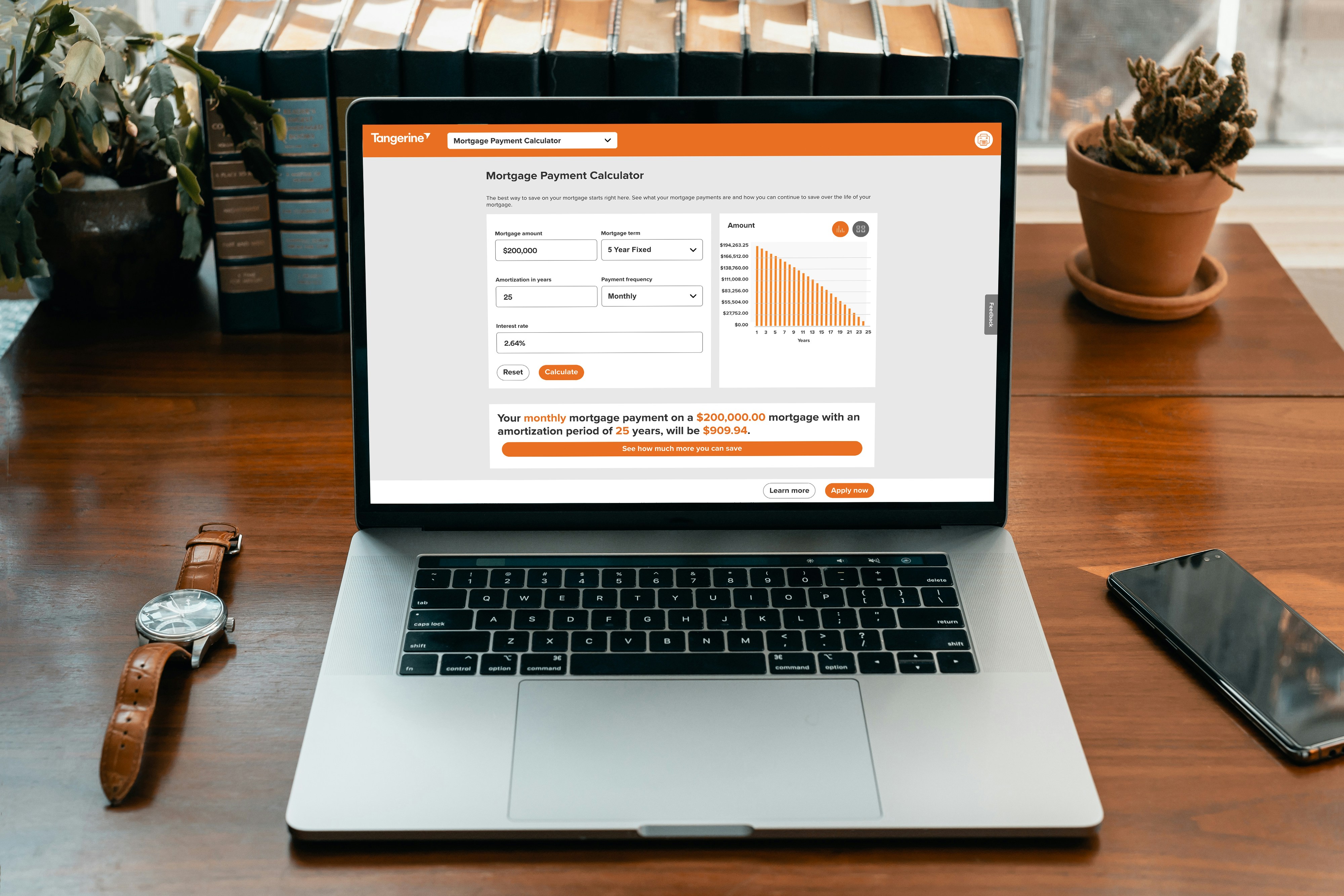
What is a Refinance Calculator?
A refinance calculator is a valuable tool designed to assist homeowners in assessing the financial implications of refinancing their existing mortgage. By inputting various parameters related to their current loan, the calculator provides insights into potential savings, costs, and adjustments in payment terms that may arise from refinancing. Its primary function is to enable users to evaluate whether refinancing is a financially sound decision based on their individual circumstances.
To effectively utilize a refinance calculator, users typically need to provide several key inputs. Firstly, entering the current loan balance is essential, as it reflects the amount still owed on the mortgage. Secondly, the interest rate on the existing mortgage should be included to compare it against the rates available for new loans. The remaining term of the current mortgage, in years, also plays a crucial role in the calculation, as it affects the total interest paid over time.
Moreover, users must input the new interest rate they are considering for the refinancing. This rate can vary based on market conditions and individual credit profiles. Another important factor includes the loan term for the refinance, which could range from 15 to 30 years or other options. The calculator utilizes these inputs to generate output information that signifies potential monthly payment changes, total interest savings, and the overall cost associated with the refinancing process.
In essence, a refinance calculator serves as a practical resource for homeowners contemplating a new mortgage arrangement, helping them make informed decisions by highlighting both the benefits and drawbacks of refinancing their loans.
Benefits of Refinancing Your Mortgage
Refinancing a mortgage can provide numerous financial advantages for homeowners. One of the most common reasons for refinancing is to lower monthly payments. With fluctuating interest rates, homeowners may find that a new mortgage at a lower rate significantly reduces their monthly financial burden. For instance, a homeowner with a 30-year fixed mortgage at 4.5% might refinance to a new loan at 3.5%, resulting in substantial monthly savings that could be redirected towards other expenses or investments.
Another benefit of refinancing is the ability to access home equity. As homeowners pay down their mortgage, they build equity in their property. This equity can be tapped into through a cash-out refinance, allowing them to leverage their home’s value for purposes such as home improvements, education expenses, or debt consolidation. For example, a homeowner who refinances to access $30,000 of equity could use those funds to remodel their kitchen, potentially increasing the property’s overall market value.
Homeowners may also choose to refinance to change loan terms. This includes switching from a 30-year mortgage to a 15-year mortgage, which, while increasing monthly payments, can dramatically reduce the total interest paid over the life of the loan. A real-life scenario showcases a homeowner aiming to be debt-free sooner; by refinancing to a shorter term, they can pay off their mortgage in half the time and save significantly on interest.
Additionally, homeowners transitioning from an adjustable-rate mortgage (ARM) to a fixed-rate mortgage may find stability in their financial planning. Fixed-rate mortgages eliminate the uncertainty of fluctuating monthly payments that come with ARMs. This switch can provide peace of mind, especially as market conditions change.
In conclusion, the decision to refinance a mortgage can lead to various financial benefits, from lower monthly payments and accessing home equity to altering loan terms and enhancing predictability in budgeting.
Key Factors to Consider Before Refinancing
Homeowners contemplating refinancing should thoroughly evaluate several critical factors to ensure a sound financial decision. First and foremost, assessing the current market conditions is imperative. This involves understanding interest rates and economic trends. If the prevailing rates are significantly lower than the rates on the existing mortgage, refinancing may prove beneficial. Keeping track of market forecasts can also aid in timing this financial move strategically.
Another important consideration is the closing costs associated with refinancing. These costs can include loan origination fees, appraisal fees, and title insurance, among others. Homeowners should calculate these expenses and compare them to the potential savings from a reduced interest rate. It is essential to determine how long it will take to recoup these costs through monthly savings, commonly referred to as the break-even point. A refinance calculator can be a valuable tool in this assessment, allowing homeowners to input necessary data to gauge how different scenarios impact their overall financial situation.
The implications of refinancing on credit scores is also a crucial factor. Each time a mortgage lender conducts a hard inquiry during the refinancing process, it can temporarily lower the credit score. Homeowners should thus evaluate their current credit standing and consider waiting to refinance if their credit scores are not in optimal condition. Additionally, individuals should analyze their personal financial situations, including job stability and income consistency, as these can influence both refinancing terms and repayment capabilities.
Ultimately, homeowners must take the time to carefully evaluate these factors before proceeding with a refinance in order to make a well-informed and financially sound decision.
Steps to Use the Refinance Calculator Effectively
Using a refinance calculator can be an invaluable tool for homeowners looking to evaluate their refinancing options. To use this calculator effectively, follow these detailed steps to ensure that you gather accurate information and make informed decisions.
First, it is crucial to collect the necessary data before you begin inputting information into the refinance calculator. Key elements include your current mortgage balance, interest rate, loan term, and monthly payment. In addition, gather details about the new loan you are considering, such as the anticipated interest rate, term length, and any closing costs associated with the potential refinance. Having this information readily available will streamline the process and enhance accuracy.
Next, input the gathered data into the refinance calculator. Most calculators will have designated fields for each piece of information. Be sure to double-check the numbers to avoid discrepancies that could affect the outcome. After entering the details, you will receive results that typically include the estimated monthly payment, total interest paid over the lifetime of the loan, and potential savings in monthly payments. Understanding these outputs is essential for making a good refinancing decision.
Once you have the results, it is important to interpret them accurately. Compare the new loan’s monthly payment and overall cost against your current mortgage. Consider various scenarios by altering the input values, such as changing interest rates or loan terms, to see how they impact your savings. Calculating potential savings over time will help you evaluate the effectiveness of refinancing.
Finally, it is beneficial to review the results provided by the refinance calculator critically. Bear in mind that while calculators can provide helpful insights, consulting with a financial advisor or mortgage professional can offer additional context and expertise tailored to your circumstances. This combined approach will enhance your ability to make a well-informed decision about refinancing your mortgage.