
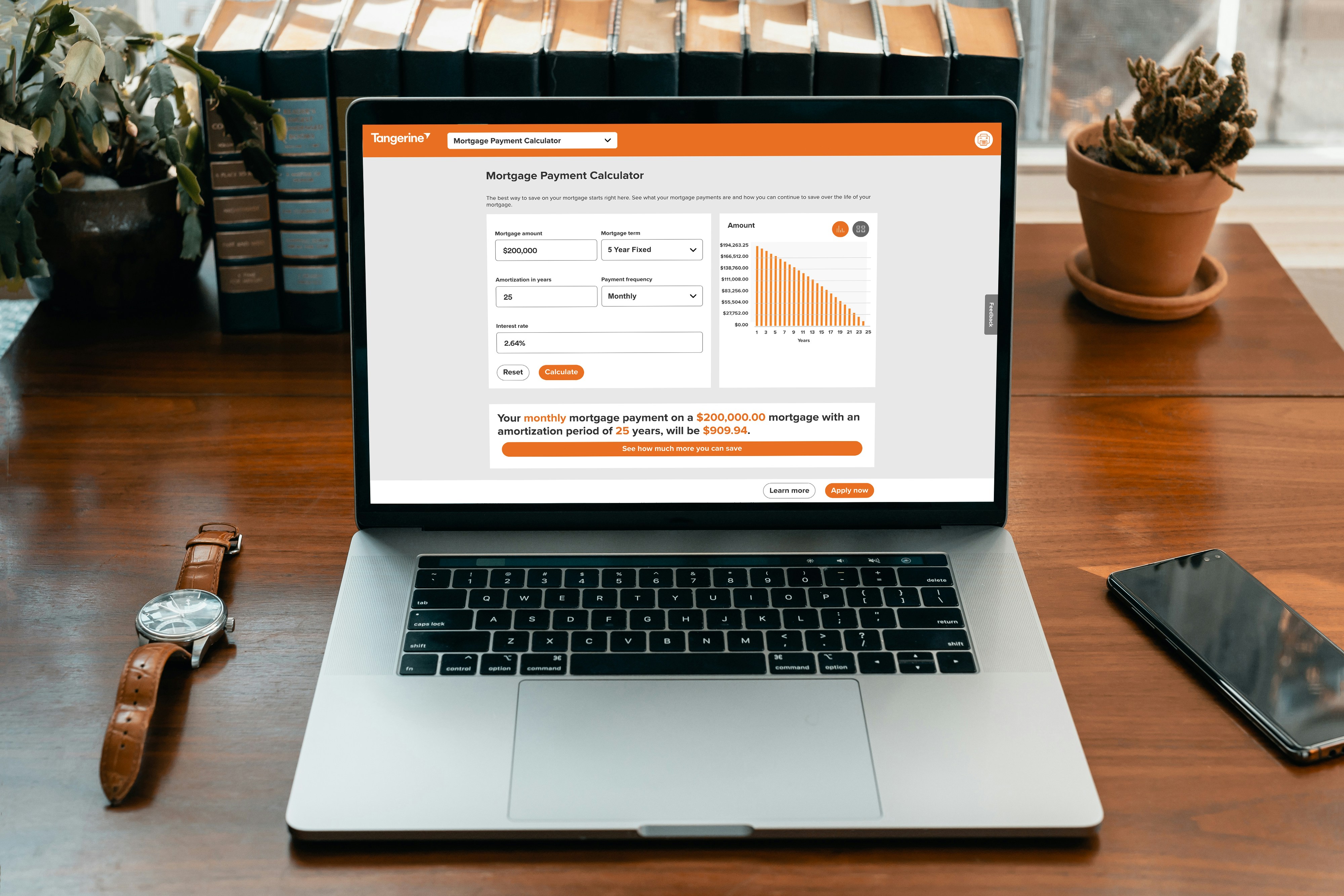
Understanding Refinance Calculators
Refinance calculators are essential financial tools designed to assist homeowners in evaluating the potential benefits of refinancing their existing mortgages. These calculators serve a crucial purpose in the mortgage refinancing process, enabling users to gain insight into their financial situations and make informed decisions. By inputting specific data such as current loan balances, interest rates, and loan terms, homeowners can foresee the possible outcomes related to refinancing their mortgages.
One of the primary advantages of utilizing a refinance calculator is the ability to estimate potential savings in monthly payments. By analyzing different scenarios, homeowners can compare their current mortgage terms with new ones. This allows them to determine how much they could save each month if they choose to refinance at a lower interest rate. Additionally, these calculators provide an overview of long-term interest costs, which can be significantly impacted by various factors including loan duration and interest rate changes.
Several types of refinance calculators are available to cater to varying needs. For instance, break-even calculators help homeowners calculate the point at which the savings from refinancing equal the associated costs, such as closing fees. Payment calculators, on the other hand, focus on estimating monthly mortgage payments based on the principal amount, interest rate, and term of the loan. It is important to input accurate and up-to-date information into these calculators to obtain reliable results that reflect the actual financial implications of refinancing.
In summary, refinance calculators are invaluable tools that empower homeowners to assess their refinancing options effectively. By utilizing these calculators, individuals can make sound financial decisions, ensuring that their mortgage choices align with their long-term financial goals.
How to Use a Refinance Calculator Effectively
Utilizing a refinance calculator can significantly aid homeowners in making informed decisions regarding refinancing options. To effectively use a refinance calculator, start by gathering essential information about your current loan. Key inputs typically include the current loan amount, interest rate, remaining loan term, and details about the new loan terms you are considering. Each of these elements influences the projected savings, making accuracy in your data collection critical.
Begin with the current loan amount. This is the balance remaining on your mortgage. For the interest rate, use the rate you are presently paying. The remaining loan term should reflect how many years you have left on your current mortgage. These inputs help the calculator establish a baseline for your current mortgage situation.
Next, input proposed new loan terms, including potential interest rates and new loan durations. Many calculators allow you to experiment with different rates, providing an opportunity to see how minor adjustments can affect your financial outcomes. For instance, changing the interest rate by even a small percentage can result in notable differences in monthly payments and total interest paid over the life of the loan.
Another effective strategy is to explore varying loan amounts. If you plan to borrow additional funds through a cash-out refinance, altering the loan amount can help you understand how this will impact your overall financial situation. Try running different scenarios by adjusting the parameters to visualize potential monthly payments, interest savings, and overall costs associated with refinancing.
By methodically inputting accurate information and experimenting with various scenarios, homeowners can fully harness the potential of a refinance calculator, aiding in strategic financial decision-making. Understanding these calculations can lead to optimal refinancing choices that align with individual financial goals.
Analyzing Your Results: What Do They Mean?
Using a refinance calculator offers homeowners a clear window into the potential financial impact of refinancing their mortgage. Once you input your existing loan details and new loan options, the calculator will generate several key outcomes that are crucial to understand. Two of the primary results are the reduction in monthly payments and the total interest savings over the life of the loan.
The monthly payment reduction is a significant indicator of immediate cash flow improvement. This reduction means that homeowners will pay less each month, freeing up funds that can be redirected towards savings, investments, or other expenses. It is important to interpret this figure in the context of personal budgeting. A lower monthly payment can lead to greater financial flexibility, but it is essential to consider how this might affect long-term mortgage terms.
Total interest savings is another crucial figure provided by the refinance calculator. This amount represents how much less you will pay in interest over the life of the new loan compared to your existing loan. Understanding this metric can help homeowners make informed decisions about whether the trade-offs associated with refinancing—like potentially extending the loan term—are worthwhile.
Additionally, the calculator may provide a break-even point, which indicates how long it will take for refinancing costs to be offset by the savings from reduced payments. This metric is especially useful for those considering a short-term stay in their home, as it helps gauge the feasibility of the refinance.
When evaluating these figures, it is important to also consider external factors, such as closing costs and current market conditions. Closing costs can vary significantly and may affect the overall savings realized from refinancing. Thus, a comprehensive evaluation should take into account the full financial landscape, ensuring a well-rounded decision.
Common Mistakes to Avoid When Using Refinance Calculators
Refinancing a mortgage is a significant financial decision, and using refinance calculators can provide valuable insights. However, there are several common mistakes that homeowners should be aware of to avoid potential pitfalls. One of the most frequent errors is underestimating the costs associated with refinancing. Homeowners often focus solely on the potential reduction in monthly payments without fully accounting for expenses such as closing costs, appraisal fees, and potential private mortgage insurance (PMI). Neglecting to factor in these additional costs may lead to an unrealistic expectation of savings, ultimately diminishing the financial benefits of refinancing.
Another critical mistake is overlooking the long-term implications of refinancing. While a refinance calculator may show immediate savings, it is essential to consider how long one plans to stay in the home. If the cost of refinancing exceeds the savings in a short time frame, this could result in a net loss. Homeowners should always evaluate the break-even period to determine how long it will take for the savings to offset the costs of refinancing. Failing to consider this timeline could lead individuals to make decisions that may not be financially sound in the long run.
Additionally, many homeowners tend to concentrate solely on the monthly payment without examining the overall cost of the loan. A lower monthly payment may seem attractive; however, it is essential to analyze the interest rate and the total interest paid over the life of the loan. By doing so, homeowners can gain a complete understanding of their refinancing scenario. Understanding these common mistakes allows homeowners to make informed decisions and utilize refinance calculators effectively, ensuring a more favorable outcome in their refinancing journey.